
Pet Trusts in New Hampshire: How to Make Sure Your Animals Are Cared for After You’re Gone
On Behalf of Sowerby & Moustakis Law
Quick Summary
New Hampshire law allows a trust to be created for the care of an animal alive during the settlor’s lifetime. A pet trust can do more than leave money to a caregiver. It can name the person caring for the animal, authorize someone to enforce the trust, and spell out practical instructions for care. This is especially useful for families with long-lived animals, multiple pets, or horses that require significant ongoing expense and organization.
Most people with pets have had some version of this conversation:
“If anything happens to me, you’ll take care of the dog.”
That is loving. It is not always a plan.
For some families, that informal promise may work out. For others, it creates exactly the kind of uncertainty that estate planning is supposed to prevent.
Yes, New Hampshire Allows Pet Trusts
New Hampshire trust law specifically allows a trust to be created for the care of an animal alive during the settlor’s lifetime.
RSA 564-B:4-408 says that this kind of trust continues until the animal dies, or until the death of the last surviving animal if the trust covers more than one animal.
That is the legal framework. The practical value is that a pet trust gives structure to a question families otherwise handle informally:
Who will care for the animal, with what money, under what instructions, and with what oversight?
For estate-planning background, see the Sowerby & Moustakis Law page on estate planning.
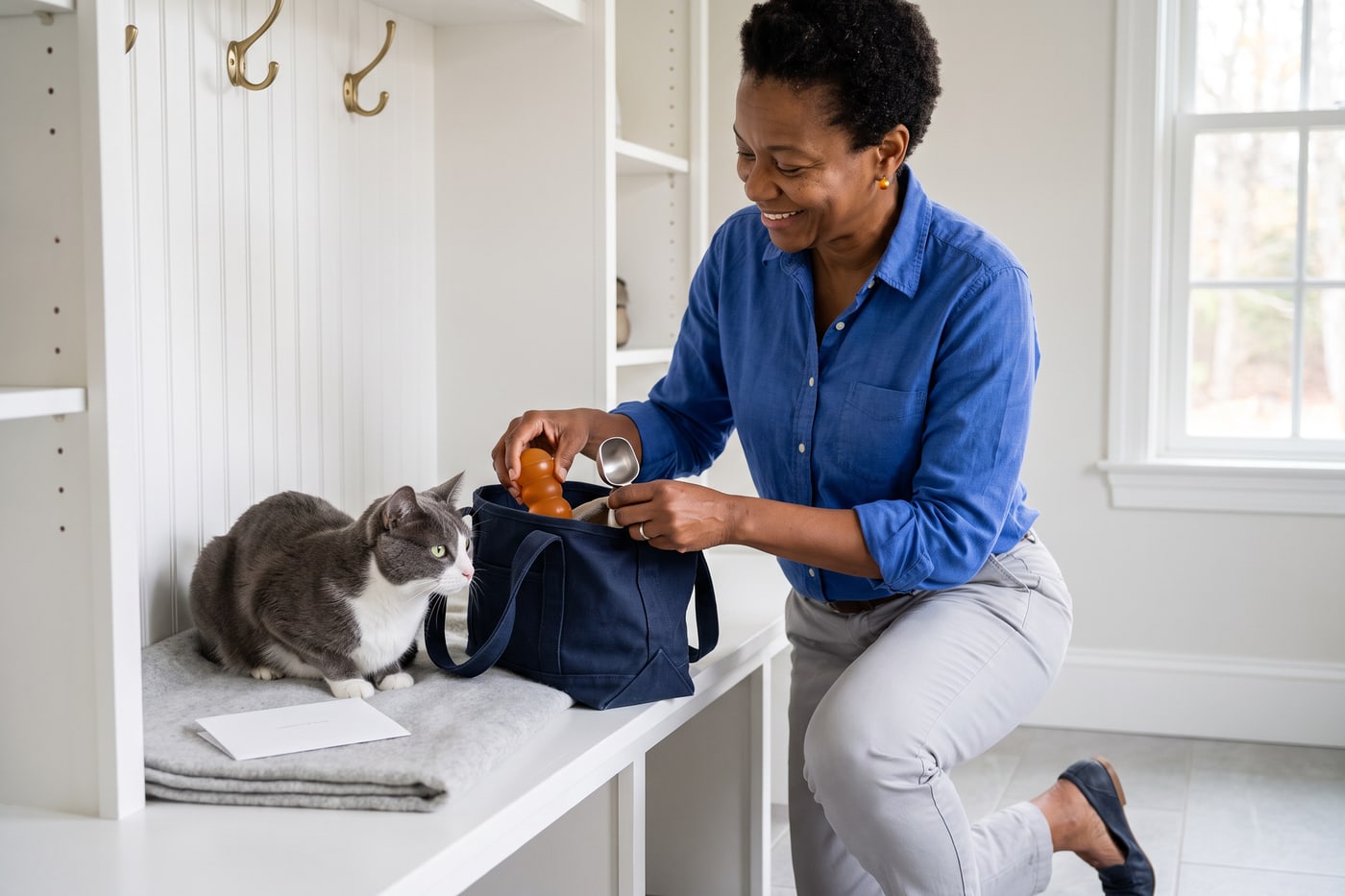
Why A Simple Gift To A Friend Is Not Always Enough
Many people assume they can leave money to a trusted person and trust that the animal will be taken care of.
Sometimes that works. Sometimes it creates a gap between hope and enforceability.
A simple gift to a person may not answer:
- Is the money required to be used for the animal?
- What happens if the caregiver cannot serve?
- What happens if the caregiver dies?
- Who steps in if the caregiver and the family disagree?
- What standard of care did the owner expect?
- What happens to unused funds?
A pet trust can address those questions directly.
What A Pet Trust Can Actually Do
A well-planned pet trust can:
- Name the primary caregiver
- Name a backup caregiver
- Set aside funds for food, boarding, training, grooming, veterinary care, transport, and end-of-life care
- Appoint a person to enforce the trust
- Give practical instructions about routines, medications, and living conditions
- Address what happens to any remaining funds after the animal dies
That is useful for a family dog or cat, but it can become especially important for horses and other animals that require specialized handling, boarding, or significant expense.
Because Sowerby & Moustakis Law also serves the equine community, this is not a fringe planning issue. It is a real one.
For related background, see the firm’s page on equine law.
Pet Trusts Matter More With Horses And Higher-Care Animals
Horse owners already know that “just take care of him” can hide a lot of moving parts.
Questions may include:
- Which barn or property should the horse stay at?
- Who has authority to move or transport the horse?
- What kind of veterinary care should continue?
- What tack, trailer, or equipment goes with the horse?
- Is the goal permanent care, lease, sale, or retirement placement?
- What budget is realistically needed?
For a horse owner, the caregiving question is often tied to liability, facility logistics, and ongoing cost in a way that goes far beyond ordinary pet ownership.
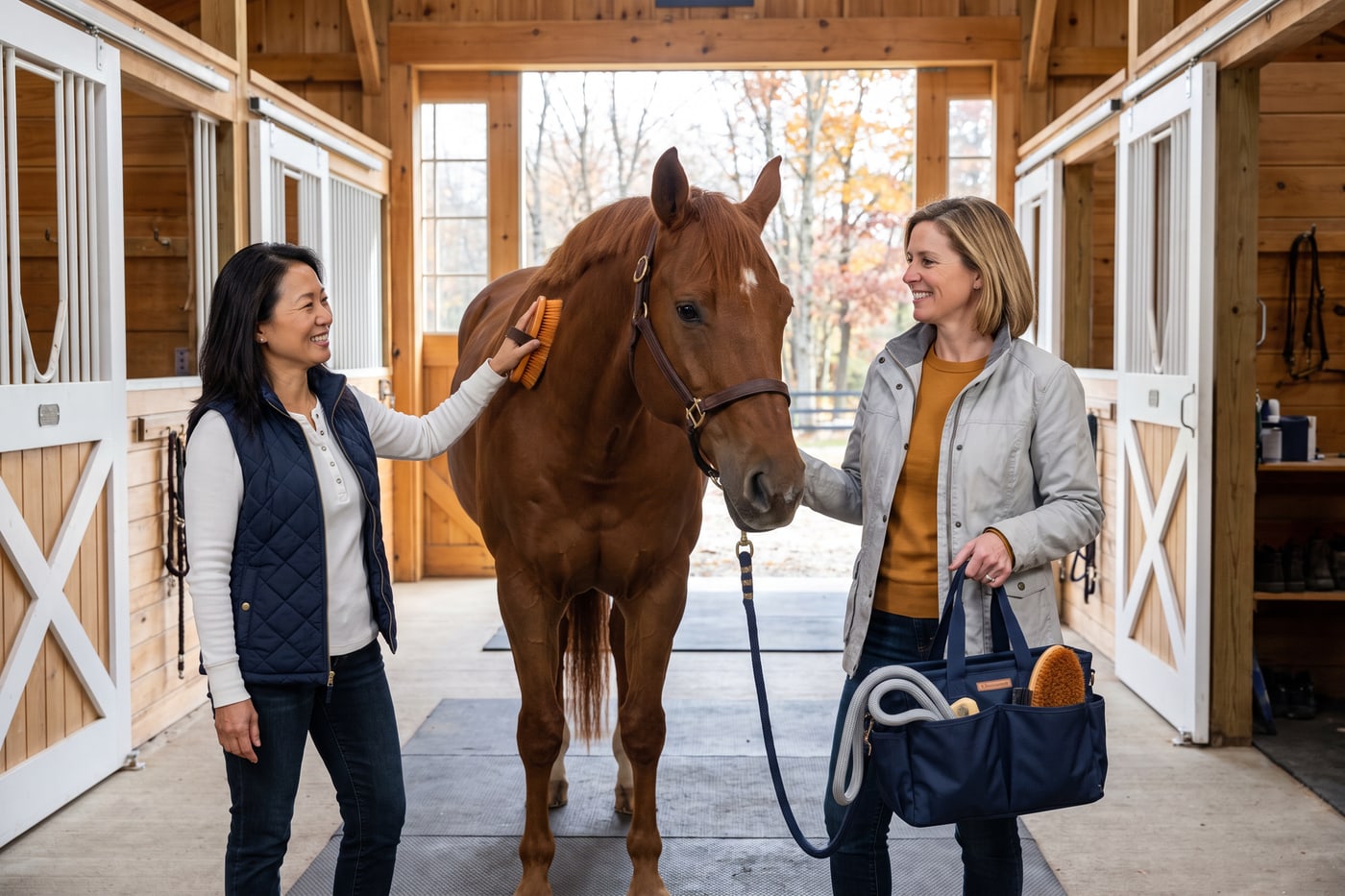
That is why this topic fits so naturally within the Sowerby & Moustakis client base.
New Hampshire Law Also Builds In Oversight
RSA 564-B:4-408 does more than say the trust is allowed.
It also says the trust may be enforced by a person appointed in the trust terms, or if no person is appointed, by a person appointed by the court. A person with an interest in the welfare of the animal may ask the court to appoint or remove the person enforcing the trust.
That matters because a trust for an animal needs someone who can step in if the caregiving arrangement breaks down.
The statute also says that trust property may be used only for its intended purpose, except to the extent a court finds that the value exceeds what is actually required. Unless the trust says otherwise, excess property is distributed back to the settlor if living, or otherwise to the settlor’s successors in interest.
In practical terms, the law anticipates both under-planning and over-funding.
What Owners Should Think Through Before Drafting
A pet trust works best when the owner thinks beyond the emotional question and gets specific.
Consider:
1. Who Is The Right Caregiver?
Not just who loves the animal, but who has the time, space, resources, and willingness to take on the role.
2. How Much Money Is Realistically Needed?
Food, boarding, veterinary care, farrier costs, insurance, grooming, and transportation can add up quickly.

3. What Instructions Actually Matter?
Routine, diet, medications, turnout, exercise, behavioral issues, social needs, and end-of-life preferences may all matter.
4. Who Should Enforce The Trust?
The caregiver and the person monitoring the caregiver do not always need to be the same person.
5. What Happens If The First Plan Fails?
Every good plan needs a backup.
This Is Really A “Get Organized Before A Crisis” Issue
Pet trusts are emotionally engaging because the subject is an animal, but the planning logic is the same as the rest of a good estate plan.
You are deciding now:
- who can act,
- what resources they have,
- what instructions guide them,
- and how to reduce confusion later.
That is especially important if the owner becomes incapacitated before death. In those situations, animal care may intersect with powers of attorney, trusts, and practical family organization. For related background, see the firm’s article on guardianship versus power of attorney in New Hampshire.
A Better Outcome For The Animal And The Family
Without a plan, families may be grieving, sorting out property, and trying to decide who is taking the dog, the cat, or the horse home.
With a plan, the decision is already clearer.
That does not make the loss easy. It does make the next step more manageable.
If your animals are part of your family, they belong in your estate plan too.
If you want to build or review a New Hampshire estate plan that includes clear care instructions for pets or horses, call Sowerby & Moustakis Law at (603) 249-5925, email info@smlpllc.com, or visit our contact page.
Read More Blogs

Digital Assets and Your New Hampshire Estate Plan: What Happens to Your Accounts After You’re Gone

Does New Hampshire Have an Estate Tax? What NH Families Need to Know About the Federal Estate Tax

Inherited IRAs After SECURE Act 2.0: What New Hampshire Beneficiaries Need to Know
Digital Assets and Your New Hampshire Estate Plan: What Happens to Your Accounts After You’re Gone
Does New Hampshire Have an Estate Tax? What NH Families Need to Know About the Federal Estate Tax