
The Importance of Estate Planning: Securing Your Future and Peace of Mind
Life is full of uncertainties, and while we can’t predict the future, we can certainly prepare for it. Estate planning is one of the most crucial steps you can take to ensure that your wishes are honored, your loved ones are cared for, and your assets are distributed according to your preferences.
At Sowerby & Moustakis Law, we understand the significance of estate planning and are here to guide you through the process with clarity and compassion. With a deep understanding of the intricacies of estate law, our firm stands ready to guide you through the complexities of preparing an estate plan. Whether you’re considering an estate plan for the first time or revisiting an existing plan, our goal is to equip you with the knowledge needed to make informed decisions.
What is Estate Planning?
Estate planning involves making arrangements for the management and disposal of your estate during your life and after death. It encompasses a range of legal documents and strategies designed to address various aspects of your life and assets. The primary goal is to ensure that your wishes are carried out, minimize potential disputes, and provide for your loved ones.
The Importance of Having a Will
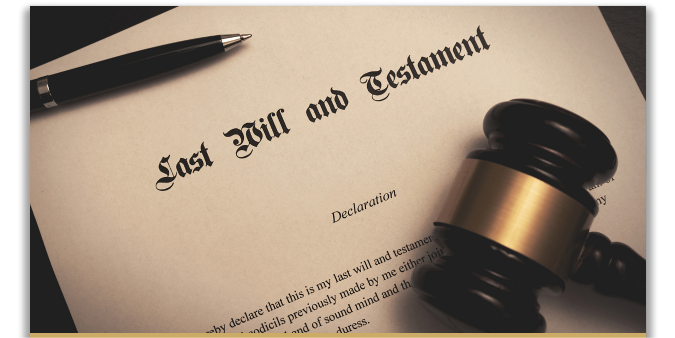
A will is the cornerstone of any estate plan. It is a legal document that outlines how you want your assets distributed after your death. Despite its importance, a staggering 67% of Americans do not have a will. Without a will, the distribution of your assets will be governed by state laws, which may not align with your wishes.
A will allows you to:
- Specify Beneficiaries: You can designate who will receive your property and assets, ensuring that they are distributed according to your preferences.
- Appoint an Executor: You can name an executor to manage your estate, pay off debts, and ensure that your wishes are fulfilled.
- Guardianship for Minor Children: If you have minor children, a will allows you to appoint a guardian to take care of them if you pass away.
Creating a will is a straightforward process with the help of an experienced estate planning attorney, and it provides invaluable peace of mind.
Powers of Attorney: Managing Your Affairs
A power of attorney (POA) is a legal document that grants someone else the authority to act on your behalf in financial and legal matters if you become incapacitated.
There are two main types of powers of attorney:
- Financial Power of Attorney: This allows someone to handle your financial affairs, such as paying bills, managing investments, and handling property transactions.
- Healthcare Power of Attorney: This designates someone to make medical decisions for you if you are unable to do so yourself.
Healthcare Directives: Making Your Medical Wishes Known
Healthcare directives, also known as advance directives or Living Wills, are legal documents that specify your preferences for medical treatment if you are unable to communicate them yourself. This document outlines your wishes regarding life-sustaining treatment, such as resuscitation, mechanical ventilation, and feeding tubes.
Benefits of Estate Planning
Estate planning offers numerous benefits that go beyond simply distributing your assets.
Some of the key advantages include:
- Avoiding Probate: With proper planning, you can minimize the time and expense associated with probate, the legal process of distributing a deceased person’s estate.
- Reducing Taxes: Strategic estate planning can help reduce estate and inheritance taxes, preserving more of your wealth for your beneficiaries.
- Protecting Assets: Estate planning can protect your assets from creditors and legal claims, ensuring that they are preserved for your loved ones.
- Ensuring Business Continuity: If you own a business, an estate plan can outline how it will be managed or transferred upon your death, ensuring its continued success.
- Providing for Special Needs: You can create trusts to provide for loved ones with special needs without jeopardizing their eligibility for government benefits.
Secure Your Future with Sowerby & Moustakis Law
Estate planning is a vital process that provides peace of mind, financial security, and ensures that your wishes are honored.
By creating a comprehensive estate plan, you can protect your loved ones, preserve your assets, and avoid potential legal complications.
At Sowerby & Moustakis, we are dedicated to helping you navigate the complexities of estate planning with confidence and ease. Don’t wait until it’s too late—contact us now to start planning for your future.
Read More Blogs

Digital Assets and Your New Hampshire Estate Plan: What Happens to Your Accounts After You’re Gone

Does New Hampshire Have an Estate Tax? What NH Families Need to Know About the Federal Estate Tax

Inherited IRAs After SECURE Act 2.0: What New Hampshire Beneficiaries Need to Know
Digital Assets and Your New Hampshire Estate Plan: What Happens to Your Accounts After You’re Gone
Does New Hampshire Have an Estate Tax? What NH Families Need to Know About the Federal Estate Tax